There is a particular kind of fatigue that comes from living in historic times.
Wars are unfolding in real time on our phones, accompanied by trending songs on Tiktok. Elections feel less like civic processes and more like existential battles. Economies wobble. Prices rise. Businesses hesitate! And us the youth, we are left calculating futures that feel increasingly uncertain.
In Kenya, political tensions no longer live only in parliament buildings or courtrooms. They’ve spilled into matatus, office corridors, church compounds, family WhatsApp groups. Protests flare. Court rulings trend. Policy debates become personal. Even when you are not actively engaged, you are aware, because the atmosphere carries it.
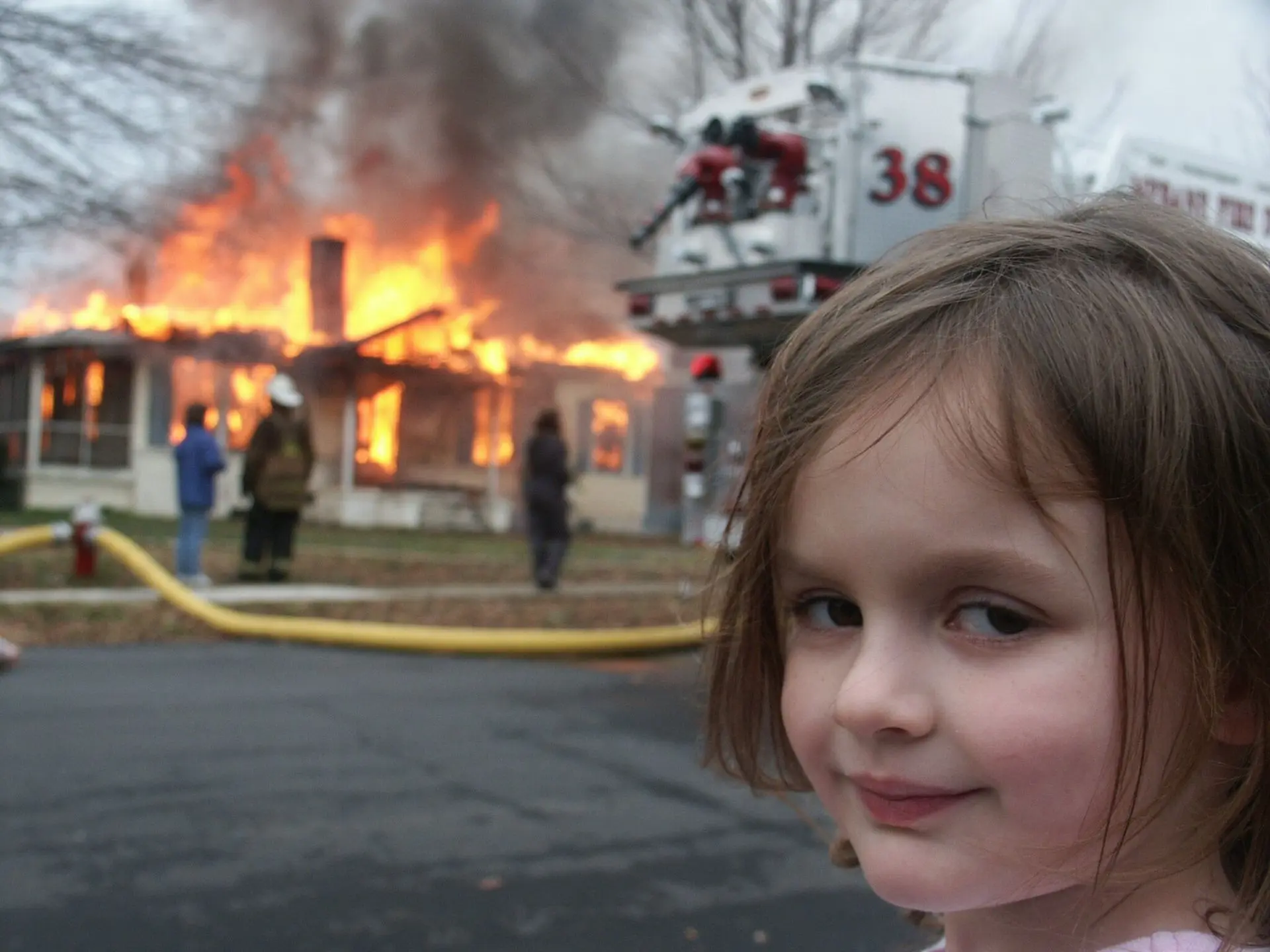
And globally, the rhythm is the same. Conflict in one region. Currency instability in another. Climate disasters. Layoffs. Shifting alliances. It is as if the world has forgotten how to exhale. We wake up, scroll, absorb crisis, and then attempt to function as if our bodies did not just register a dozen threats before breakfast.
What we rarely talk about is what this does to the nervous system.
Human beings are not designed for permanent alertness. Yet that is what the current moment demands. Every headline feels urgent. Every issue feels binary. Every conversation contains an unspoken question: Where do you stand? There is less patience for “I’m thinking.” Less tolerance for ambiguity. Certainty travels faster. Outrage trends better. Nuance feels suspicious.
And so, we adapt.
We become sharper.
We listen not to understand but to categorize. We scan for ideological alignment the way previous generations might have scanned for shared tribe. We test people gently in conversation, a comment here, a reference there, trying to determine whether they are safe or dangerous, enlightened or problematic.
Cancel culture, whether one applauds it or critiques it, has intensified this caution. There is a heightened awareness that a misstep can define you. That a sentence can detach from its context and become your identity. So we self-edit. We soften. Or we harden.
Either way, something tightens.
This tightening doesn’t stay online. It leaks. It shows up at dinner tables where certain topics are quietly avoided. In friendships that strain under sociological differences. In business partnerships where political uncertainty translates into financial anxiety. In small businesses wondering whether to expand or retreat. In employees calculating how long their roles remain secure. The body reads this as a threat. And when the body senses threat, it prepares for survival.
Survival narrows us.
It makes us quicker to defend and slower to trust. We begin to interpret disagreement as hostility. We assume motive before seeking meaning. Living like this is exhausting. Not dramatically. Not always visibly. But steadily. It is the quiet exhaustion of vigilance.
The Age of Extremes is now defined by the way intensity has seeped into ordinary life. By the way everything feels amplified, success and failure, hope and despair, loyalty and betrayal. And yet, very few spaces encourage us to metabolize what we are carrying.
To pause.
To regulate.
To remember that as human beings we are more layered than our loudest opinion.
This is why the middle, not as apathy, but as steadiness, feels almost radical right now. It refuses the seduction of constant reaction. It chooses restraint in a culture that rewards escalation. And perhaps what we are craving is not agreement, but regulation. Spaces where our nervous systems can unclench. Spaces where proximity replaces performance. When people gather around shared effort in something as simple as walking a trail, ideology softens at the edges. Not because differences disappear, but because humanity becomes harder to ignore. You see breath. Effort. Vulnerability. Laughter. Fatigue.
The world may continue to tilt toward extremes. That may be the nature of cycles, of power, of history itself. But we are not powerless in how we respond.
The Age of Extremes is loud.
But perhaps the real work of this moment is quieter.
To remain human in it.
To remain curious in it.
To remain steady, even when the world insists on shaking
Lily Waithaka | The Storyteller 🧘🏾♀️
Lily Waithaka is a writer and creative voice at Outdoorer, where she curates a reflective series on belonging, community, and the quiet lessons the outdoors continues to teach us. Her work weaves together story and stillness, reminding readers that healing often begins in connection and with nature. Through her reflections, she explores what it means to belong, to the land, to each other, and to ourselves. Each trail and story is a return.