(So you actually know what you’re signing up for😉)
Let’s be honest.
“Beginner”, “Intermediate”, “Advanced” sounds clear… until you’re halfway up a hill wondering who lied to you. And maybe you’ve wondered: Is this about fitness… vibes… or survival instincts?
These labels aren’t there to humble you or hype you up unnecessarily. They’re simply Outdoorer’s way of setting expectations, for your legs, your lungs, and your mood the next morning.
Let’s break it down using trails you might already recognize.

👣 Beginner
Where you fall in love with hiking (or at least don’t break up with it).
Beginner hikes are about entry. Into nature. Into movement. Into remembering that your body actually enjoys being outside. They are friendly, welcoming, and not out to humble you on your first date with nature. Think gentler terrain, manageable distance, and enough breathing room to stop, chat, take photos and snack without guilt.
Examples you’ll see on Outdoorer’s calendar:
- Ngong Hills - The classic. Rolling hills, stunning views, good vibes.
- Namanga Hills Soft (Oldonyo Orok) - A softer intro with just enough effort to feel accomplished.
- Kathandeni Forest Bathing & Waterfall Chase - Forest cover, waterfalls, calm energy.
- Mt. Kilimambogo - Peaceful, scenic, and a gradual incline.
What it feels like:
You’re walking, laughing, pointing at clouds, asking people where they got their hiking shoes. You finish feeling refreshed, not questioning your life choices.
Perfect for:
First-timers, casual hikers, families, people easing back into movement, or anyone who just wants a good day outside.
🧠 A Simple (But Honest) Hiking Disclaimer
Trail labels are helpful, but distance, elevation gain, terrain, weather, and altitude all shape how hard a hike feels. What one person finds “easy,” another might find demanding. Always check the actual numbers before you book and be honest about your fitness and experience. What matters most is choosing a hike that fits your body and your energy on the day, not just the name on the label.
Tip: Elevation gain (how much you climb overall) often matters more than total distance. A short hike with steep climbs can feel tougher than a longer, flatter day.
🧗♀️ Intermediate
“Okay… now we’re hiking.”
This is where things get interesting. Intermediate hikes bring longer distances, steeper sections, and moments where conversation pauses because breathing becomes the priority, but it’s still very doable.
Common Intermediate picks:
- Oldoinyo Lesatima Dragon’s Teeth - Like a scene from Game of Thrones, marshy moorland, high altitude
- Elephant Hill Conquest - Steady effort, real elevation, strong sense of achievement.
- Table Mountain (Aberdares) - A longer day out with changing terrain and altitude.
What it feels like:
You’ll feel the burn, but also the pride. You might complain a little on the way up… then forget all about it once you reach the top.
Perfect for:
People who’ve hiked before, enjoy a challenge, and want to push themselves without going full mountain warrior.
🏔️ What High Altitude Actually Means
When a hike starts or ends at high elevation, like 2,500 m+ above sea level, your body is dealing with less oxygen than at lower elevations. That can make breathing feel harder and fatigue come sooner, even on hikes that aren’t technically difficult otherwise. High-altitude hikes like Elephant Hill (~3,658 m max) introduce you to these conditions and help your body adjust before really big climbs like Mount Kenya or Kilimanjaro.
🏔️ Advanced
“This hike demands respect.”
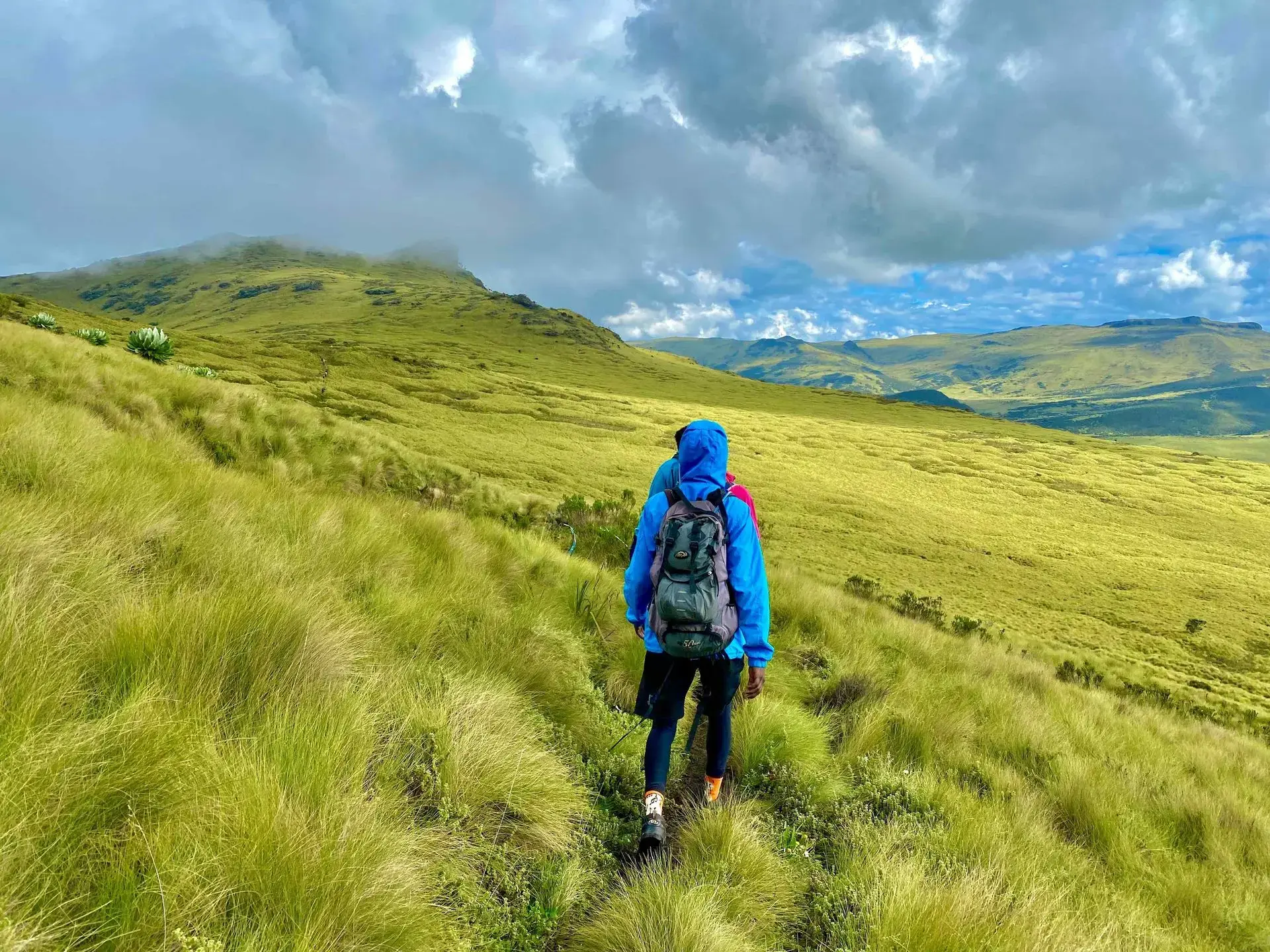
Advanced hikes are not casual strolls. They’re longer, higher, tougher, and require both physical and mental preparation. These are the ones that test endurance and reward it deeply.
Advanced adventures on the calendar:
Mount Kenya – Sirimon Route (4 Days / 3 Nights) - Multi-day commitment, altitude, and serious trail time.
Elephant Hill x Mt. Kinangop Southern Breach - Rocky, steep, slippery bamboo trails
Mt. Kinangop Mutarakwa Forest - Long, demanding, and incredibly rewarding.
What it feels like:
These hikes often need good gear, strong stamina, and maybe some trail experience, they’re not meant to be impulsive adventure picks. You’ll pace yourself, listen to your body, and earn every view. Hard? Yes. Is it worth it? Absolutely.
Perfect for:
Experienced hikers or anyone ready to step into something big with intention and preparation.
🎒 Gear — What You Really Need (A Handy Guide)
Gear isn’t just about looking the part, it keeps you safe, comfortable, and confident on trails of any level.
- Beginner: Well-treaded hiking shoes or trainers, layers you can add or remove, sun protection, 2–3 L water, snacks, rain jacket.
- Intermediate: Proper hiking boots, trekking poles (optional but helpful), hydration system (bladder or bottles), snacks, extra warm layer, rain gear.
- Advanced & High Altitude: All of the above plus technical layers (thermal base layers, insulated jacket), sturdy trekking poles, headlamp, first-aid kit, and weather-specific gear. On multi-day hikes, pack management becomes a skill — light but complete, with food, shelter (if required), sleeping gear, and emergency essentials.
Remember: Good gear amplifies fun and reduces risk. Being prepared with the right equipment will make the mountain feel like a challenge you choose, not one that blindsides you.
Choose wisely. Pack snacks. Trust the process.
And don’t worry! Someone will always have extra groundnuts at the summit. 😉
Lily Waithaka | The Storyteller 🧘🏾♀️
Lily Waithaka is a writer and creative voice at Outdoorer, where she curates a reflective series on belonging, community, and the quiet lessons the outdoors continues to teach us. Her work weaves together story and stillness, reminding readers that healing often begins in connection and with nature. Through her reflections, she explores what it means to belong, to the land, to each other, and to ourselves. Each trail and story is a return.